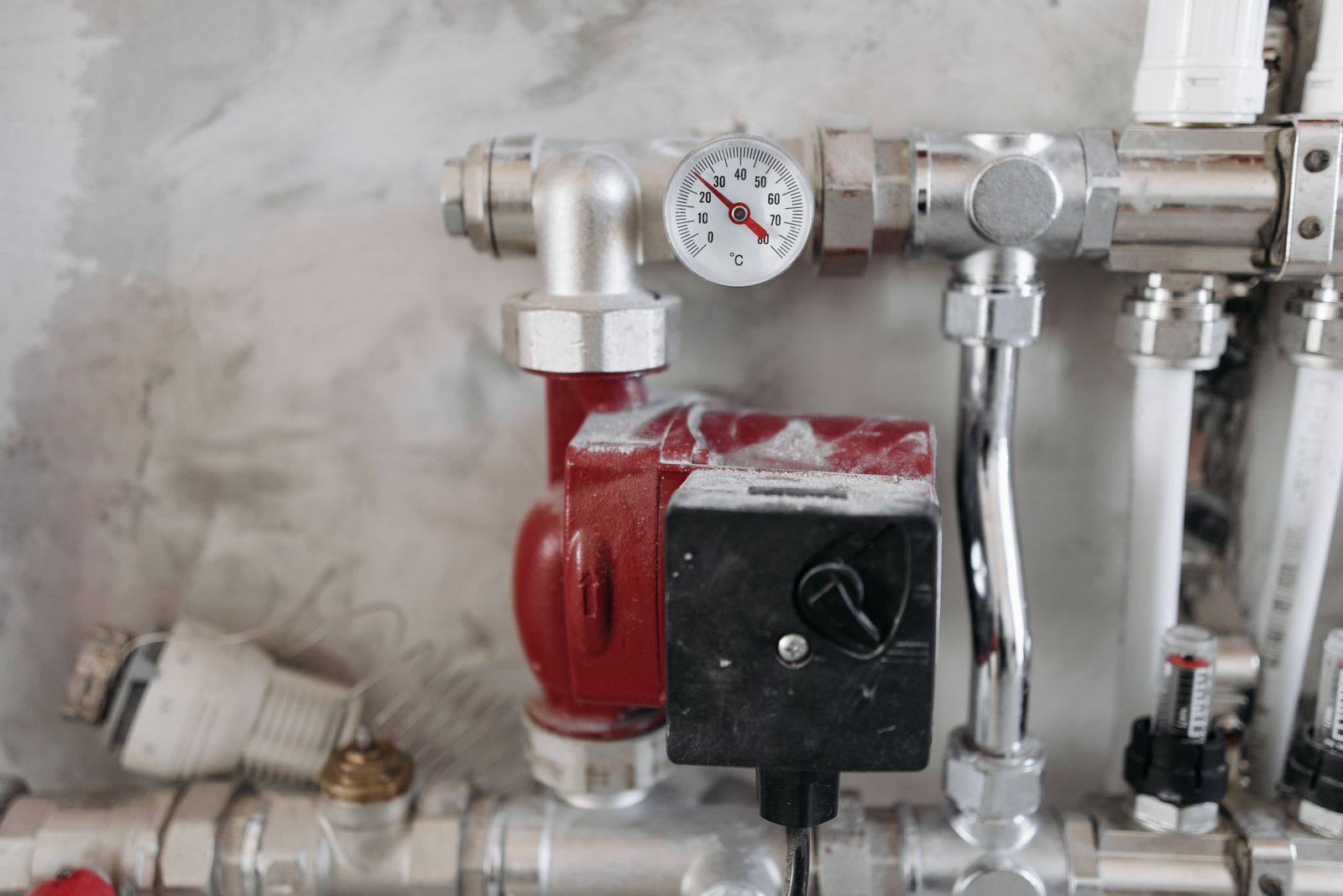
Emergency water heater repair in Winston-Salem
A water heater emergency is usually one of three things: a leak that is spreading, a tank that has burst, or a sudden loss of hot water with no warning. This page is about the first hour — what to do right now, what not to do, and how to get help.
What to do first
- - If water is spreading: shut off the water supply to the heater. There is usually a shut-off valve on the cold-water pipe above the unit. If you cannot find it or it will not turn, shut off the home's main water supply.
- - If it is a gas heater: turn the gas control on the unit to off. If you smell gas, leave the home and call your gas utility or emergency services from outside — do not try to relight a pilot, and do not switch lights on or off.
- - If it is an electric heater: switch off the breaker for the water heater at the electrical panel.
- - Move valuables out of the way and, if water is near electrical outlets or appliances, stay out of the water and switch off power at the main breaker if it is safe to reach.
- - Do not try to drain a leaking tank yourself unless you know how — a tank full of hot water can scald, and a damaged tank can fail suddenly.
When a leak is an emergency — and when it can wait
A leak from the tank body itself is an emergency: the tank has rusted through, it will not stop, and it can release tens of gallons. A leak from a fitting, a valve, or a pipe connection can often be slowed by shutting off the water and may be repairable. A relief valve that is dripping steadily is also urgent — it may be doing its job because pressure or temperature is too high, or the valve itself may have failed. In all three cases, shutting off the water and the gas or power first is the right move.
Winston-Salem is a Piedmont Triad city built on tobacco and textiles, and its housing shows it: early-1900s homes near downtown, mid-century brick ranches, and postwar neighborhoods that have been lived in for generations. Summers here are hot and humid, winters bring cold snaps that can freeze an exposed pipe, and the water is moderately hard. A water heater in a Winston-Salem home fails in ways that follow the house: its age, its plumbing, and where the heater was put when the house was built.
No hot water — is it an emergency?
Losing hot water is miserable, but it is not always an emergency in the same way a leak is. If the heater is not leaking and there is no gas smell, the problem is usually a failed part — a pilot, a thermocouple, an element, or a thermostat — and a repair visit can be arranged without the first-hour rush. If the outage follows a storm, a power cut, or a freeze, say so in the request: the cause may be outside the heater itself.
How an emergency request works
Use the request form and describe the problem, when it started, and whether water is spreading. Say whether the heater is gas or electric, tank or tankless, and where it is — garage, basement, closet, or attic. Requests are shared with independent local providers who serve Winston-Salem and Forsyth County, North Carolina, and the provider discusses next steps directly with you. There is no fee from this site and no obligation.
After the emergency
Once the water is off and the heater is safe, a provider will inspect the unit and the surrounding area: the tank, the connections, the venting, and the floor or wall where water spread. Water damage to flooring, drywall, and belongings should be dried promptly — standing water and damp materials invite mould. If the tank has failed, the provider will explain replacement options rather than trying to repair a rusted-through tank.
Frequently Asked Questions
My water heater is leaking. How fast do I need help?
If water is spreading, act now: shut off the water and the gas or power, then request assistance. A small drip from a fitting can wait for a scheduled visit, but a leaking tank cannot.
Can a leaking water heater be repaired?
A leak from a valve or fitting can often be repaired. A leak from the tank body cannot be fixed reliably — once a steel tank rusts through, replacement is the only reliable fix.
I smell gas near my water heater. What do I do?
Leave the home, and call your gas utility or emergency services from outside. Do not relight a pilot, do not use a phone inside the home, and do not switch electrical devices on or off.
Will an emergency repair cost more?
Emergency and after-hours work can cost more than a scheduled visit, depending on the provider. The provider who responds to your request discusses pricing directly with you before doing the work.