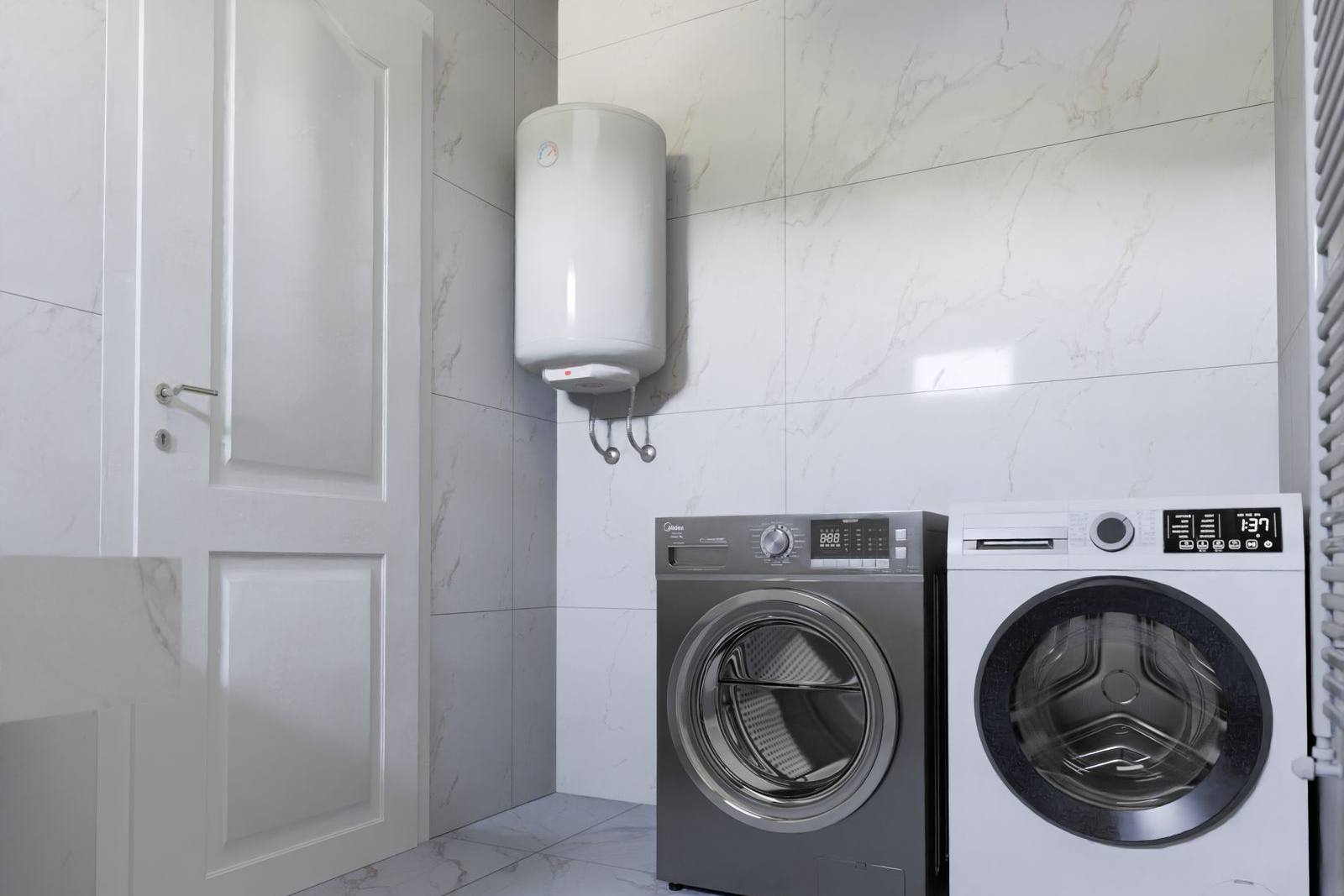
Water heaters built for Winston-Salem conditions
Winston-Salem is a Piedmont Triad city built on tobacco and textiles, and its housing shows it: early-1900s homes near downtown, mid-century brick ranches, and postwar neighborhoods that have been lived in for generations. Summers here are hot and humid, winters bring cold snaps that can freeze an exposed pipe, and the water is moderately hard. A water heater in a Winston-Salem home fails in ways that follow the house: its age, its plumbing, and where the heater was put when the house was built.
If your water heater has stopped working in Winston-Salem, this site is the starting point: repair, tankless, replacement, urgent help, and maintenance — with requests shared with independent local providers who can respond. It is an independent informational and lead-generation website, not a plumbing contractor.
Why water heaters fail here
Piedmont water is moderately hard, so mineral sediment builds up in tank heaters over the years and scale forms on tankless heat exchangers. It is not the hardest water in the country, but it is hard enough that a heater that is never flushed will run louder, heat slower, and die sooner than one that is. The anode rod — the part that protects the tank from rust — wears out faster in mineral-heavy water, and once it is gone the tank starts corroding from the inside.
Winston-Salem's older homes often have the water heater in a basement, a crawl space, or a small utility closet, and the supply lines may still be galvanized steel in the oldest houses. Galvanized pipe narrows with rust over time, so a new heater can underperform until the piping is addressed. Newer homes in the suburbs usually have the heater in the garage, where a winter cold snap can reach it. Either way, the house's era shapes the repair.
What you can get help with here
- - Water heater repair — diagnosis and repair for tank and tankless units: no hot water, leaks, strange noises, pilot and ignition problems, and error codes.
- - Tankless water heaters — installation, repair, and descaling for homes that want hot water on demand without a storage tank.
- - Replacement and installation — when repair no longer makes sense, choosing the right size and type, and what a replacement involves in a North Carolina home.
- - Emergency repair — urgent failures such as leaking tanks, flooding, and sudden loss of hot water, and what to do in the first hour.
- - Maintenance and tune-ups — annual flushing, anode-rod checks, and inspections that extend a heater's life, especially where the water leaves sediment behind.
Service area
Requests are accepted from Kernersville, Clemmons, and Lewisville and the rest of Forsyth County, North Carolina — 22 ZIP codes in total across 9 cities, each verified in the coverage feed. The service area page lists every ZIP code covered in each city.
How it works
Use the request form to describe the problem, when it started, and where you are. Your request is shared with independent local water heater providers who serve your part of Forsyth County, North Carolina. The provider discusses inspection, options, and pricing directly with you. There is no fee from this site and no obligation.
Frequently Asked Questions
Is this site a plumbing company?
No. Winston-Salem Water Heater Pros is an independent informational and lead-generation website. It does not perform plumbing work. Requests are shared with independent local service providers.
Which cities do you cover?
Winston-Salem and Kernersville, Clemmons, and Lewisville, plus the other cities in Forsyth County, North Carolina. The full list of covered ZIP codes is on the service area page.
How much does a water heater repair cost?
It depends on the problem, the heater's age and type, and parts needed. Local firms advertise tank water heater installs in roughly the $1,500–$3,000 range; repairs are typically less than replacement. Any figure on this site is general guidance, not a quote — the provider who responds to your request gives the actual price.
My water heater is leaking. What should I do first?
Turn off the water supply to the heater and, for a gas unit, turn the gas control to off; for an electric unit, switch off the breaker. If water is spreading, shut off the home's main water supply and move valuables out of the way. Then request assistance and describe the leak.
How long does a water heater last in Winston-Salem?
Tank water heaters commonly last 8–12 years, and hard water and corrosion can shorten that. Regular flushing and anode-rod checks help. Tankless units often last longer, but only with regular descaling in hard-water areas.